This post may contain affiliate links. If you click and buy, we may earn a small commission at no extra cost to you. Learn more.
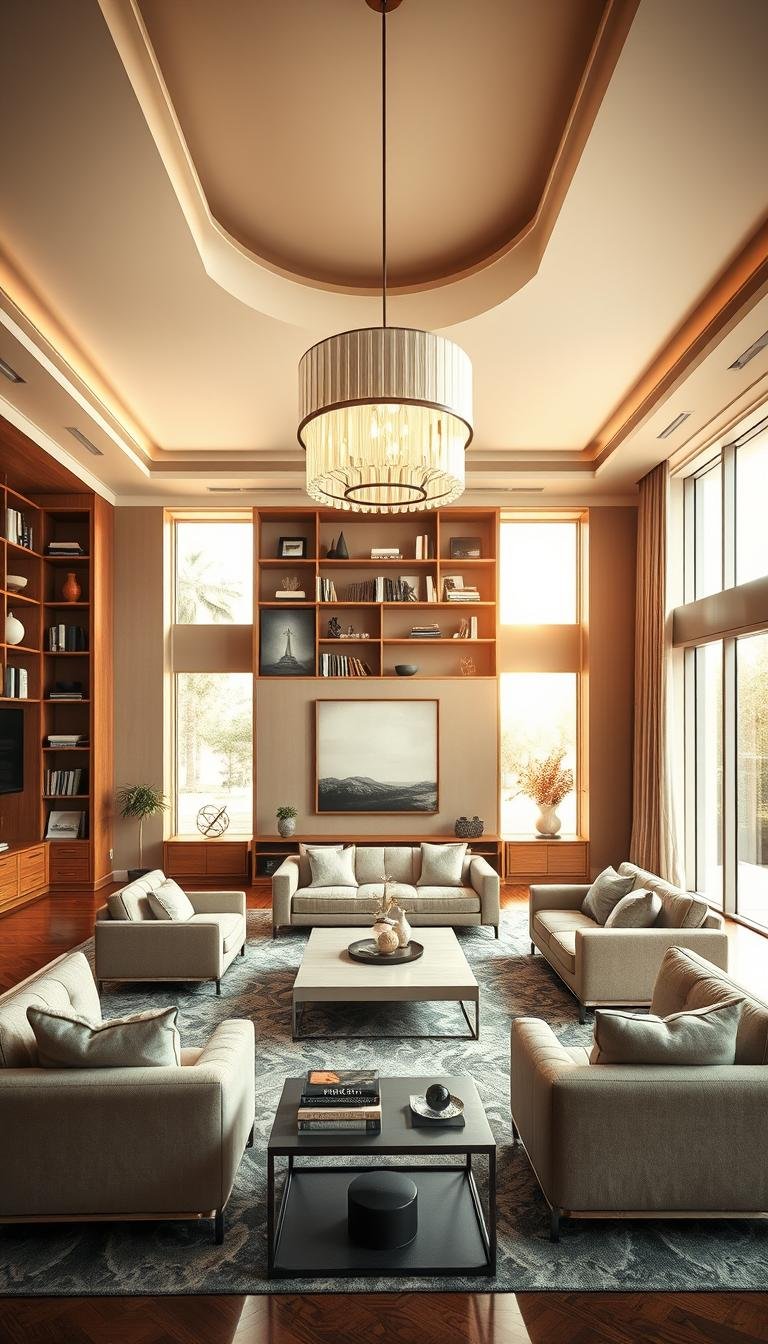
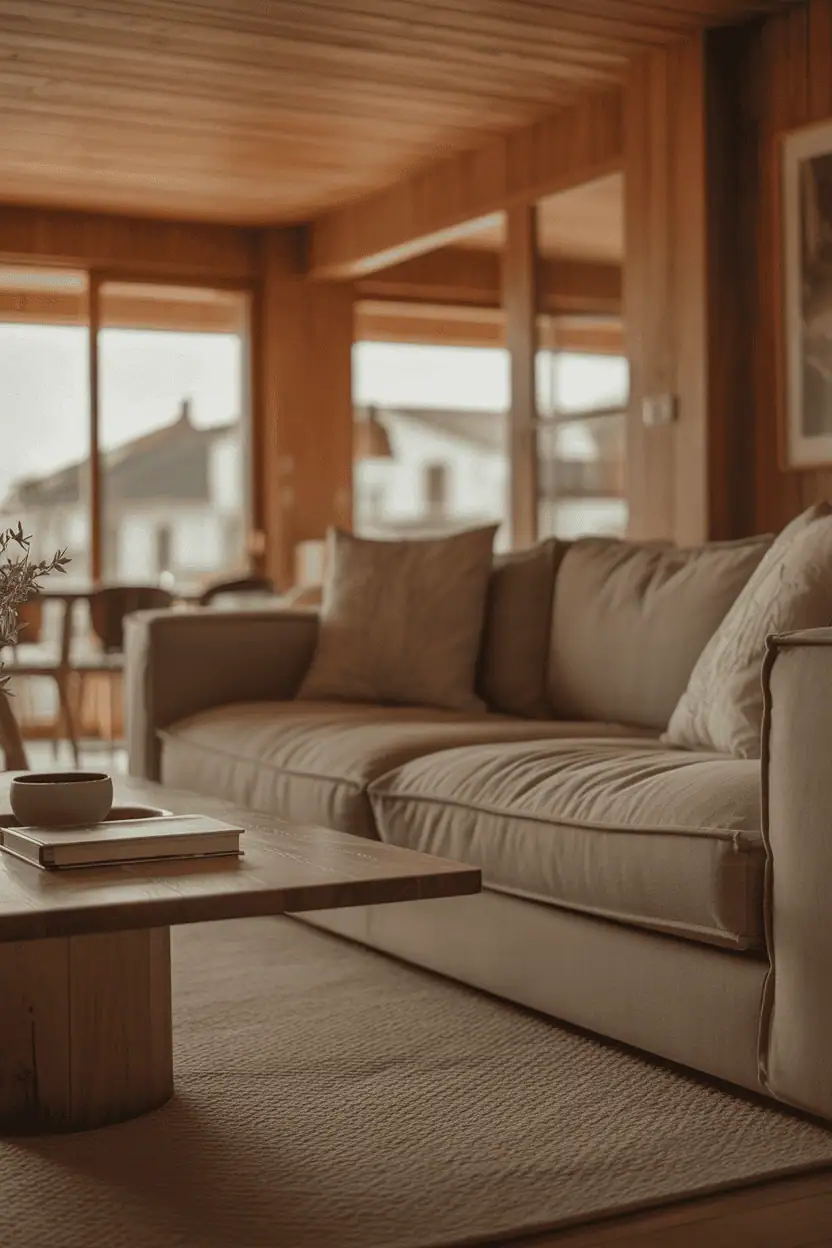
If you’re drawn to interiors that feel grounded, calm, and quietly inviting, warm natural wood is one of the easiest ways to get there. It adds depth without heaviness, texture without clutter, and character without needing bold colors or constant updates. In living rooms especially, warm wood creates a sense of comfort that works just as well in modern apartments as it does in older, character-filled homes.
This approach is ideal if you want a space that feels lived-in but still intentional. Natural wood tones soften clean lines, balance neutral palettes, and age gracefully over time. Unlike trend-driven finishes, wood develops patina and personality, which makes a room feel more personal the longer you live with it.
The ideas below are visual first and practical second. Each one shows how wood can shape the mood of a living room, along with realistic ways to apply the look in everyday homes. Whether you’re starting from scratch or refreshing a few key pieces, these ideas are meant to layer in naturally rather than overwhelm the space.

What you’ll find here:
- Calm, wood-forward living room inspiration
- Practical styling guidance you can adapt to real homes
- Furniture and decor ideas that support browsing and shopping
- Flexible looks that work across styles and room sizes
Contents
- 1 1. Solid Wood Coffee Table as the Visual Anchor
- 2 2. Exposed Wood Beams for Architectural Warmth
- 3 3. Low Wooden Media Console with Clean Lines
- 4 4. Layered Wood Tones Instead of Perfect Matching
- 5 5. Wooden Slat Wall or Accent Paneling
- 6 6. Natural Wood Shelving with Open Styling
- 7 7. Wood-Framed Windows and Doors
- 8 8. Wooden Side Tables with Organic Shapes
- 9 9. Statement Wooden Armchair or Lounge Chair
- 10 10. Wood and Textile Contrast Through Rugs
- 11 11. Built-In Wood Storage for a Seamless Look
- 12 12. Wooden Ceiling Details or Panels
- 13 13. Rustic Wood Accents in Modern Spaces
- 14 14. Wooden Fireplace Surrounds
- 15 15. Natural Wood Picture Frames and Wall Decor
- 16 16. Wood and Leather Pairings
- 17 17. Wooden Room Dividers or Screens
- 18 18. Wood-Based Lighting Elements
- 19 19. Wooden Benches as Flexible Seating
- 20 20. Warm Wood with Neutral Upholstery
- 21 21. Wooden Accent Trays and Small Decor
- 22 22. Floor-to-Ceiling Wood Storage Walls
- 23 23. Wood and Stone Combinations
- 24 24. Minimal Wood Decor in Light-Filled Rooms
- 25 25. Timeless Wood Pieces That Age Well
- 26 Styling Tips to Pull the Look Together
- 27 Conclusion
1. Solid Wood Coffee Table as the Visual Anchor

A solid wood coffee table grounds the living room and immediately sets a warm, natural tone. Because it sits at the center of the seating area, it naturally becomes one of the first pieces your eye lands on. Warm finishes like oak, walnut, or mango wood soften surrounding upholstery and help everything feel connected.
When choosing one, scale matters more than people expect. A table that’s too small gets visually lost, while one that’s oversized can disrupt flow—especially in open-plan layouts. Simple shapes work best when the wood grain is bold; more sculptural silhouettes shine when the finish is subtle.
From a styling perspective, this is a great place to keep things restrained. A wooden tray, a ceramic bowl, or a small stack of books is often enough. Rectangular tables feel structured and timeless, while round or pedestal styles soften boxy seating arrangements and photograph beautifully.
2. Exposed Wood Beams for Architectural Warmth

Exposed beams add instant character, even in otherwise minimal living rooms. They introduce rhythm and structure overhead, which subtly makes the space feel more grounded and intentional. This contrast between natural wood and smooth walls creates depth without relying on decor.
If your home already has beams, keeping them natural or lightly stained usually looks better than painting them. In newer homes, well-proportioned faux beams can still create the effect when used sparingly. The key is balance—beams feel strongest when paired with simple furniture and uncluttered walls.
This look works especially well with low-profile seating, neutral rugs, and understated lighting. Ceiling fixtures or floor lamps with wood or linen details help echo the material below and tie the room together.
3. Low Wooden Media Console with Clean Lines

A low wooden media console keeps the living room feeling relaxed and visually open. Warm wood tones counterbalance the sharp lines of screens and electronics, helping the space feel more considered rather than purely functional. The horizontal profile also makes the room appear wider.
As a general rule, the console should be slightly wider than the TV to avoid a top-heavy look. Closed storage is useful for hiding clutter, while a few open sections keep things from feeling too bulky. Raised legs tend to feel lighter and more modern, especially in smaller rooms.
On top, keep styling minimal. A table lamp, a shallow bowl, or a leaning frame adds warmth without competing for attention. Low cabinets, sideboards, and media units in oak or walnut finishes work particularly well here.
4. Layered Wood Tones Instead of Perfect Matching

Perfectly matching wood finishes can feel flat and overly staged. Layering different wood tones creates a more natural, collected look—similar to how spaces evolve over time in real homes. Light, medium, and darker woods add visual depth and keep the room from feeling one-dimensional.
The trick is staying within the same undertone family. Warm woods work best together, even if their depths vary. Repeating each tone at least twice—such as a coffee table and shelving in similar finishes—helps everything feel cohesive rather than random.
This approach works especially well with neutral upholstery and simple textiles, where the wood itself becomes the primary source of variation and interest.
5. Wooden Slat Wall or Accent Paneling

Wood slat walls add texture and architectural interest without overwhelming the space. They introduce warmth while maintaining a clean, modern feel, which is why they’re often used behind sofas or media areas.
For a calm look, keep spacing consistent and finishes uniform. Full walls make a bold statement, while narrower panels or half walls feel more subtle and flexible. Soft, directional lighting enhances the texture and prevents the wood from feeling flat.
This type of feature pairs best with minimal wall decor and streamlined furniture. Floating shelves or wall-mounted lighting keep the overall look intentional and uncluttered.
6. Natural Wood Shelving with Open Styling

Open wood shelving feels lighter than bulky cabinets and adds vertical interest without closing in the room. The visible grain brings warmth, while the open format encourages a more relaxed, curated approach to storage.
To avoid visual clutter, limit styling to a few items per shelf. Mixing books with ceramics, baskets, or small plants keeps things balanced. In smaller living rooms, wall-mounted shelves are especially useful because they free up floor space.
Solid wood or well-made veneer shelving tends to look more refined over time, especially when paired with woven baskets or matte pottery.
7. Wood-Framed Windows and Doors

Wood-framed windows and doors soften the transition between indoors and outdoors. They naturally highlight daylight and make the living room feel more connected to its surroundings, even in urban homes.
If replacing frames isn’t realistic, wood-look trims or interior detailing can still create a similar effect. Keeping surrounding walls neutral allows the wood to stand out without effort. Heavy window treatments tend to hide the detail, so lighter fabrics work best here.
Linen curtains, simple rods, and minimal hardware complement wood frames without drawing attention away from them.
8. Wooden Side Tables with Organic Shapes

Wooden side tables may be small, but they make a noticeable difference. Organic or rounded shapes soften straight-lined furniture and help the room feel more relaxed and approachable.
Height is important—aim for a table close to the height of the sofa arm so it’s practical for everyday use. Solid wood or thicker veneers feel more substantial and tend to age better. Mixing shapes, such as a round table next to a rectangular sofa, adds subtle visual interest.
A lamp, coaster, or small bowl is often all that’s needed to style these pieces effectively.
9. Statement Wooden Armchair or Lounge Chair

A wooden-framed armchair introduces structure and warmth in a single piece. Because the frame remains visible, it becomes part of the decor rather than fading into the background.
Comfort should come first. Look for generous proportions and supportive cushions, then position the chair at a slight angle to soften the layout and encourage conversation. Mid-tone wood finishes tend to feel especially inviting in living spaces.
Pairing the chair with a floor lamp or small side table creates a functional, well-defined seating moment.
10. Wood and Textile Contrast Through Rugs

Natural wood floors and furniture benefit from soft contrast. Rugs help balance the firmness of wood and make the living room feel more comfortable and welcoming.
Neutral or earthy tones with visible texture tend to work best. Flatweaves feel casual and relaxed, while thicker piles add warmth and softness. Make sure the rug is large enough to anchor the seating area—undersized rugs can make even a well-designed room feel disconnected.
Jute, wool, or blended rugs work especially well when layered thoughtfully.
11. Built-In Wood Storage for a Seamless Look

Built-in wood storage blends architecture and function. It keeps clutter out of sight while reinforcing a cohesive, warm palette throughout the room.
Simple door fronts and minimal hardware help the storage feel intentional rather than heavy. Matching the finish to other wood elements in the room keeps everything visually calm. Built-ins work particularly well around fireplaces or media walls.
Open sections should be styled lightly with books or ceramics so the overall look remains balanced.
12. Wooden Ceiling Details or Panels

Wood ceilings add an enveloping sense of warmth and retreat. Even partial panels or subtle detailing can dramatically change how a room feels.
Lighter wood tones prevent the ceiling from feeling heavy, especially in rooms with standard ceiling heights. Simple, well-spaced lighting keeps the look clean and functional.
This works best alongside neutral walls, soft textiles, and understated furniture silhouettes.
13. Rustic Wood Accents in Modern Spaces

Rougher wood textures bring character to modern interiors. A single rustic piece can soften sleek surfaces and add depth without disrupting the overall aesthetic.
The key is restraint. Limiting rustic elements to one or two items allows the texture to stand out without cluttering the space. Reclaimed wood works particularly well here.
Benches, consoles, or accent tables are easy ways to introduce this contrast.
14. Wooden Fireplace Surrounds

A wooden fireplace surround adds warmth even when the fire isn’t lit. It naturally becomes a focal point without relying on bold color or ornamentation.
Simple profiles and natural finishes tend to age best. Keeping surrounding decor minimal allows the wood grain to remain the star.
Wood surrounds pair especially well with stone, plaster, or neutral walls.
15. Natural Wood Picture Frames and Wall Decor

Wood frames soften gallery walls and help artwork blend seamlessly into the room’s palette. They add warmth without competing with the art itself.
Using similar tones creates a cleaner look, while subtle variation feels more relaxed. Avoid overly ornate frames if the artwork is bold or graphic.
This approach works well with photography, neutral prints, and understated illustrations.
16. Wood and Leather Pairings

Wood and leather create a timeless, grounded combination. The natural textures complement each other and add richness without feeling heavy.
Warm brown or tan leather tends to work best with natural wood tones. Balancing these materials with softer textiles keeps the room comfortable and approachable.
Leather chairs, ottomans, or cushions paired with wood furniture feel durable and intentional.
17. Wooden Room Dividers or Screens

Wooden dividers define space without fully closing it off. They add vertical texture and warmth, especially in open-plan living rooms.
Open or slatted designs maintain light flow and feel less intrusive. Scaling the divider correctly is essential so it feels integrated rather than temporary.
These work particularly well near entry points or between seating zones.
18. Wood-Based Lighting Elements

Lighting with wood details reinforces the material palette at eye level. It softens the glow and helps the room feel cohesive.
Wood-accented lamps work best as secondary lighting, while overhead fixtures should stay simple. Mixing wood with metal or fabric shades adds balance.
Table lamps, floor lamps, and pendants with wood bases all fit naturally into this style.
19. Wooden Benches as Flexible Seating

A wooden bench adds flexibility and quiet character. It can function as seating, a surface, or a styling element depending on placement.
Benches work well along walls or behind sofas, especially in larger living rooms. Solid construction and visible grain give them a grounded presence.
Layering with a cushion or throw softens the look without sacrificing function.
20. Warm Wood with Neutral Upholstery

Neutral upholstery allows warm wood tones to take center stage. The contrast keeps the room light, balanced, and adaptable over time.
Textured fabrics feel more inviting than flat finishes. Repeating wood tones throughout the room helps everything feel intentional.
This pairing works especially well for sofas, chairs, and poufs with visible wood legs or frames.
21. Wooden Accent Trays and Small Decor

Small wood accents are an easy way to introduce warmth without committing to large furniture pieces. They add texture to everyday surfaces in subtle ways.
Using trays to group items keeps tables tidy and visually calm. Matching finishes to larger wood elements helps everything feel cohesive.
Bowls, trays, and small decor pieces work best when styled sparingly.
22. Floor-to-Ceiling Wood Storage Walls

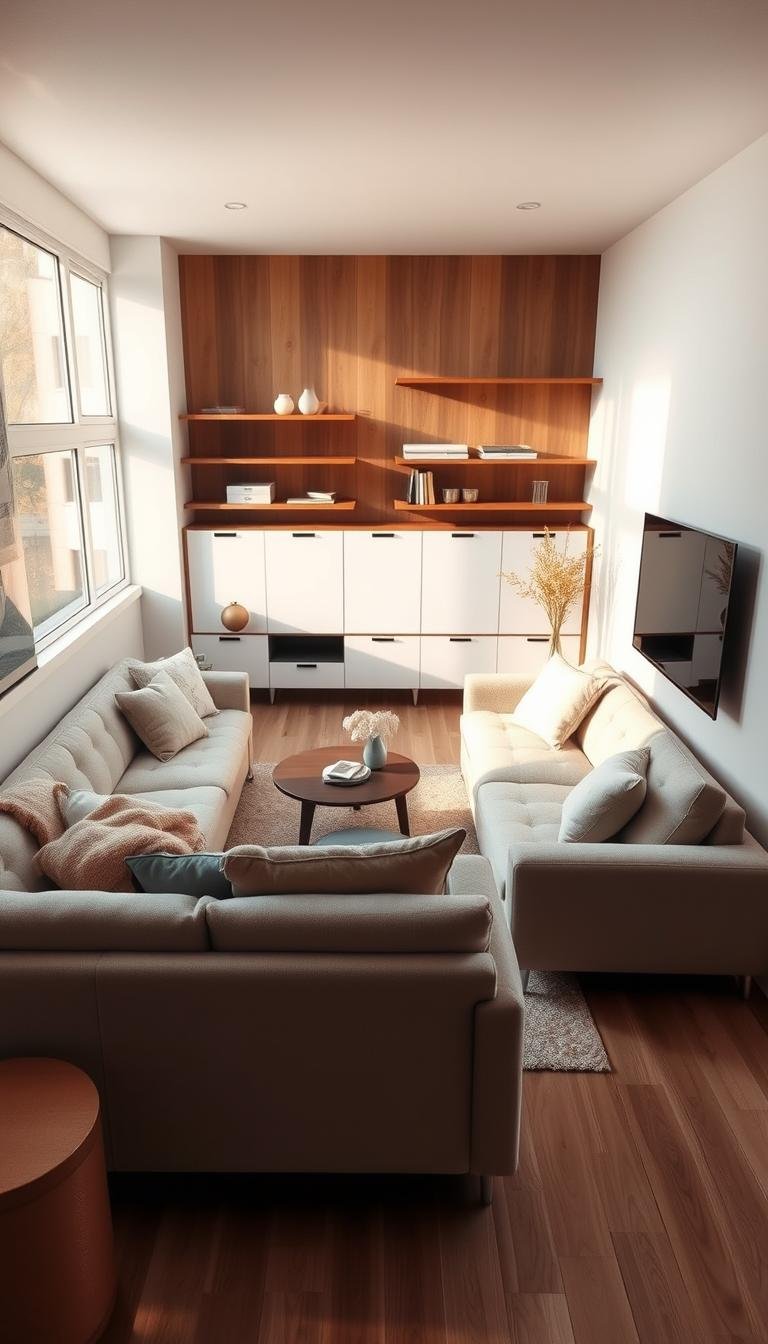
Tall wood storage walls add structure and visual weight, making a living room feel thoughtfully designed.
Breaking up the wall with open sections prevents it from feeling heavy. Consistent finishes keep the look refined, especially in larger rooms.
Minimal styling allows the wood itself to remain the focus.
23. Wood and Stone Combinations

Wood paired with stone feels grounded and timeless. The contrast between textures adds depth without relying on color.
Keeping one material dominant prevents the look from feeling busy. Warm-toned stone complements wood particularly well.
This pairing shines around fireplaces, feature walls, or statement tables.
24. Minimal Wood Decor in Light-Filled Rooms

In bright spaces, even small wood elements stand out. The warmth prevents the room from feeling stark or overly minimal.
Fewer, well-made pieces tend to have more impact than many small accents. Natural light highlights grain and texture beautifully.
This approach suits modern, Scandinavian, or minimalist interiors especially well.
25. Timeless Wood Pieces That Age Well

Well-crafted wood furniture improves with time. Wear and patina add character rather than detract from the look.
Prioritizing solid construction and classic shapes pays off long-term. Avoid overly trendy silhouettes that date quickly.
Core pieces like coffee tables, consoles, and shelving anchor the room and adapt easily as your style evolves.
Styling Tips to Pull the Look Together
- Layer lighting at different heights using wood-accented lamps
- Balance wood with soft textiles like rugs, cushions, and throws
- Use neutral upholstery to highlight natural materials
- Repeat wood finishes to create cohesion
- Keep wall decor simple so textures can breathe
Conclusion
Warm natural wood living rooms aren’t about perfection or strict rules. They’re flexible, adaptable, and easy to evolve over time. Whether you start with a single coffee table or layer in architectural elements, wood creates a sense of calm that works across styles and seasons.
The most successful spaces mix warmth with restraint, letting each piece breathe. Save the ideas that resonate, experiment gradually, and build the look at your own pace. With natural wood as your foundation, the living room becomes a space that feels welcoming, grounded, and genuinely lived in.

To bring you cozy inspiration more efficiently, we sometimes use AI to assist in content creation — but every word and idea is carefully shaped by our team. See our AI Disclosure for more info.