This post may contain affiliate links. If you click and buy, we may earn a small commission at no extra cost to you. Learn more.
Bedside tables tend to collect more than we notice. A book, a glass of water, a phone, maybe a candle or a pair of glasses — suddenly the surface feels busy, even when the room itself is calm. Wooden bedside trays help bring quiet order back without asking you to change how you live.
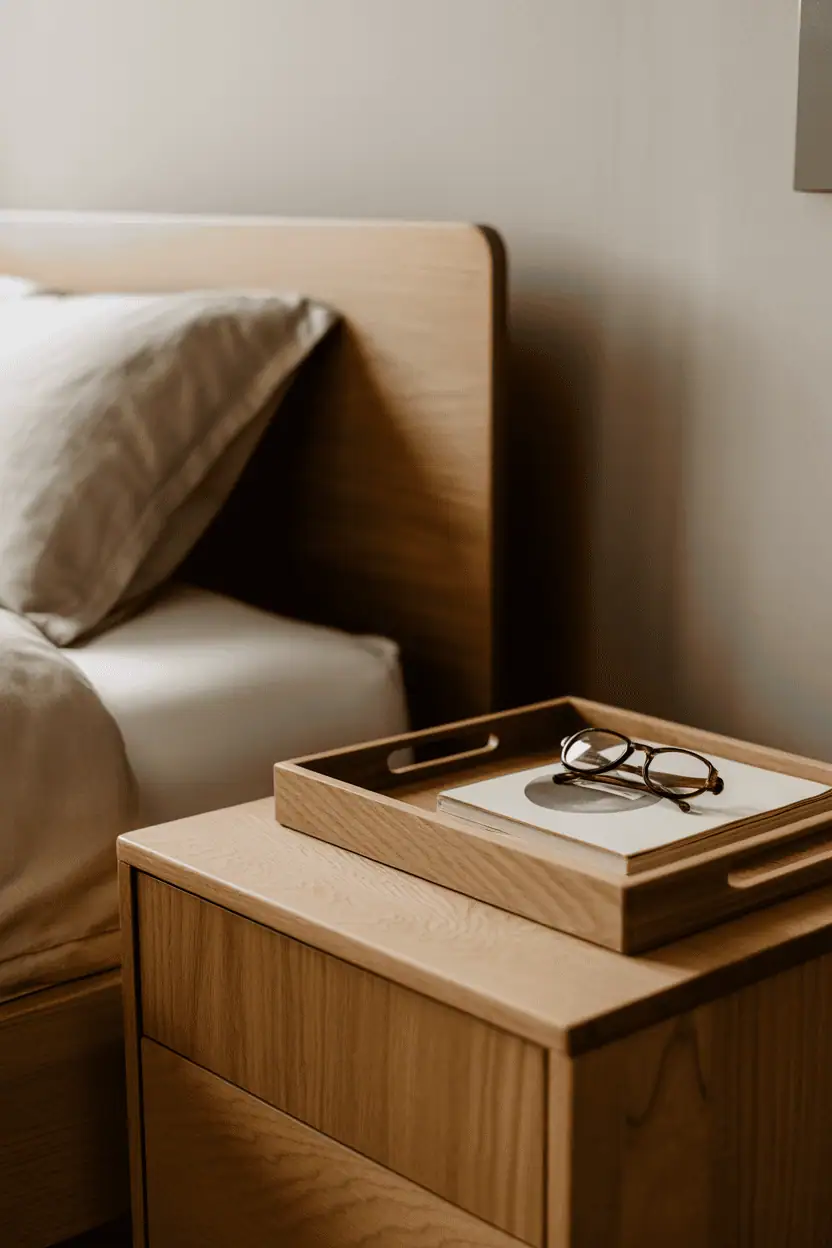
What makes a bedside tray useful isn’t decoration. It’s containment. A tray defines a small zone for essentials, keeping them together and visually grounded. When the tray is made of wood, it adds warmth and texture instead of introducing another hard or shiny surface.
This works especially well in bedrooms designed for rest. Wood softens the bedside area, makes small items feel intentional, and prevents clutter from spreading. Even minimal bedrooms benefit from this kind of gentle structure.
This guide focuses on wooden bedside trays that are practical, understated, and easy to live with. Pieces that support daily routines, age well, and quietly improve how the bedroom feels.
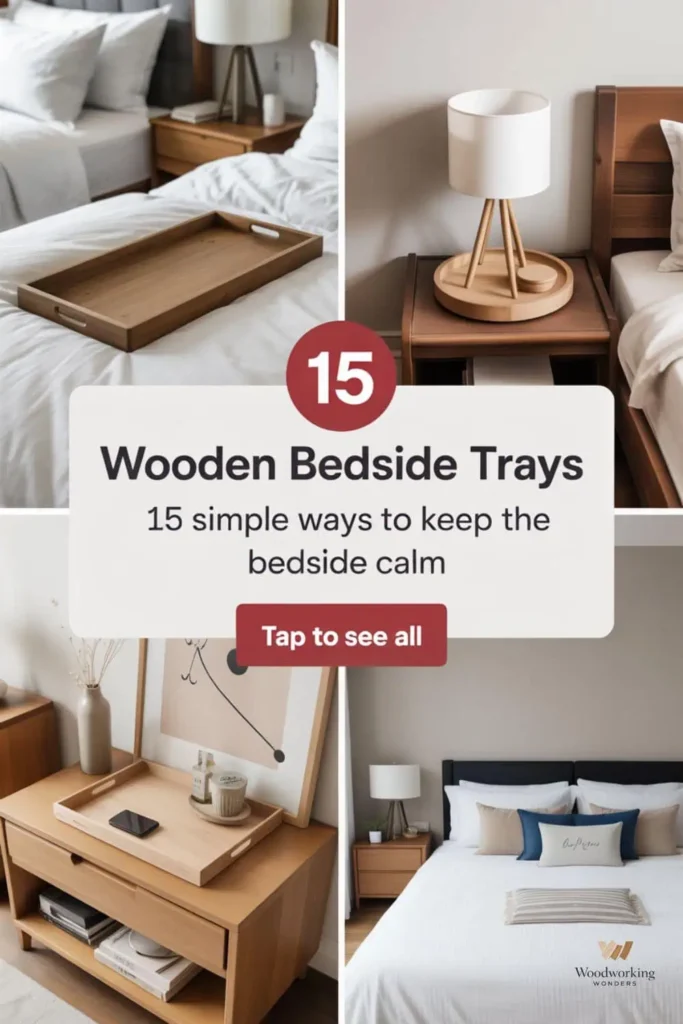
What you’ll find here:
- Wooden bedside tray ideas for calm bedrooms
- Guidance on size, shape, and placement
- Ways to reduce visual clutter without over-styling
- Tray styles that work across different bedroom looks
Contents
- 1 1. Simple Wooden Trays That Contain the Essentials
- 2 2. Rectangular Trays for Narrow Nightstands
- 3 3. Round Wooden Trays for Softer Bedrooms
- 4 4. Low-Profile Trays That Stay Unnoticed
- 5 5. Using Trays to Limit Bedside Clutter
- 6 6. Wooden Trays That Pair with Matching Furniture
- 7 7. Trays for Shared Nightstands
- 8 8. Using Trays with Lamps and Charging Items
- 9 9. Trays That Work Without Styling
- 10 10. Matte Wood Finishes for Bedrooms
- 11 11. Letting Trays Age Naturally
- 12 12. Trays as Visual Anchors on Large Nightstands
- 13 13. Keeping Bedside Trays Lightweight
- 14 14. Avoiding Overfilled Trays
- 15 15. Choosing One Tray Over Many Accessories
- 16 Styling Tips to Make Wooden Bedside Trays Feel Intentional
- 17 Conclusion
1. Simple Wooden Trays That Contain the Essentials
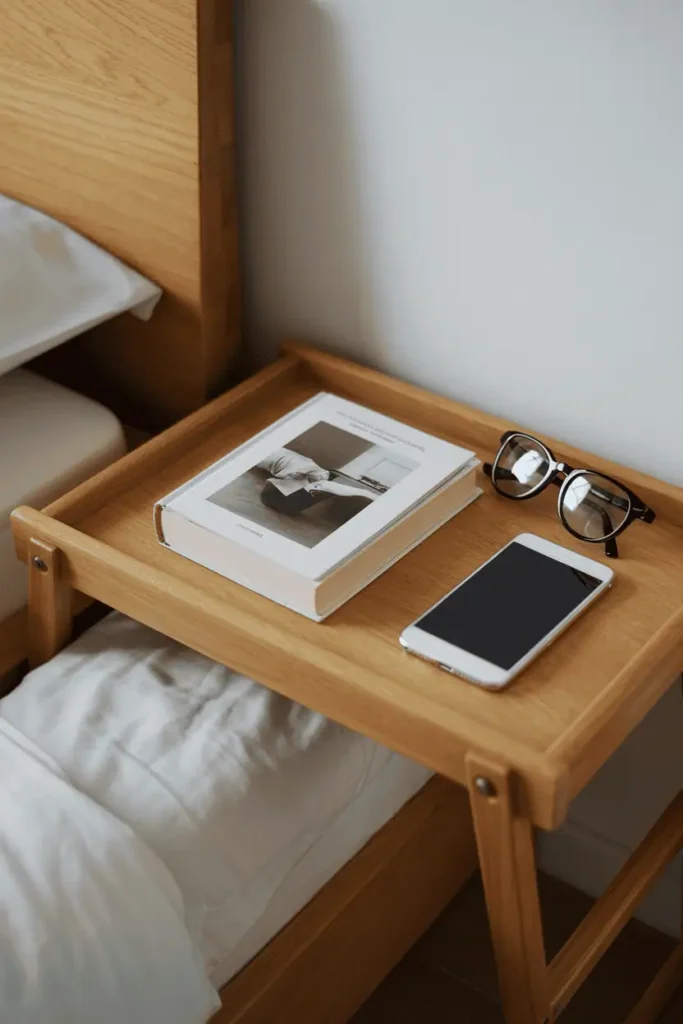
The most effective bedside trays are often the simplest. A flat wooden tray with low edges immediately brings order to everyday items.
This works best when the tray is just large enough to hold what you actually use at night. Oversized trays tend to invite clutter rather than prevent it.
Let the wood grain do the visual work instead of adding extra details.
2. Rectangular Trays for Narrow Nightstands
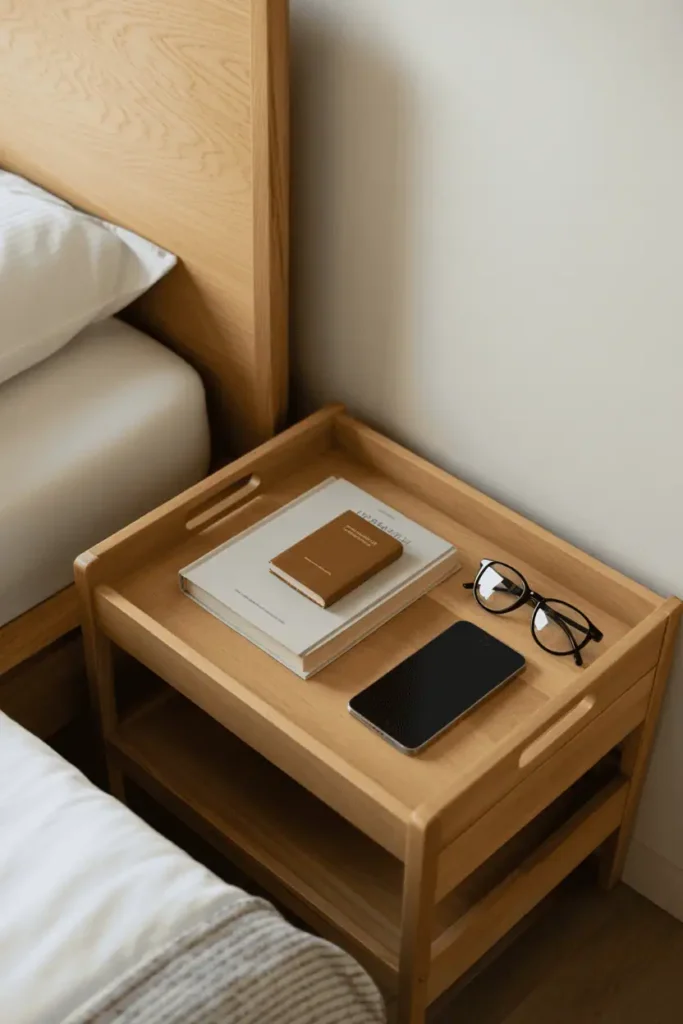
Rectangular wooden trays suit narrow nightstands particularly well. They align with the shape of the furniture and keep items from drifting outward.
This setup feels calm because everything stays within clear boundaries. It also makes cleaning easier — one lift instead of several small moves.
Choose a tray that leaves some breathing room around the edges of the table.


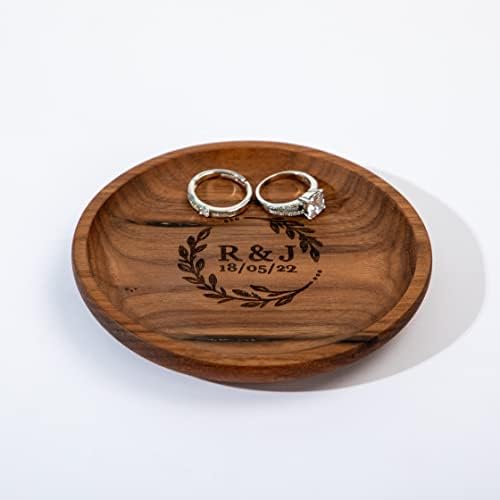
3. Round Wooden Trays for Softer Bedrooms
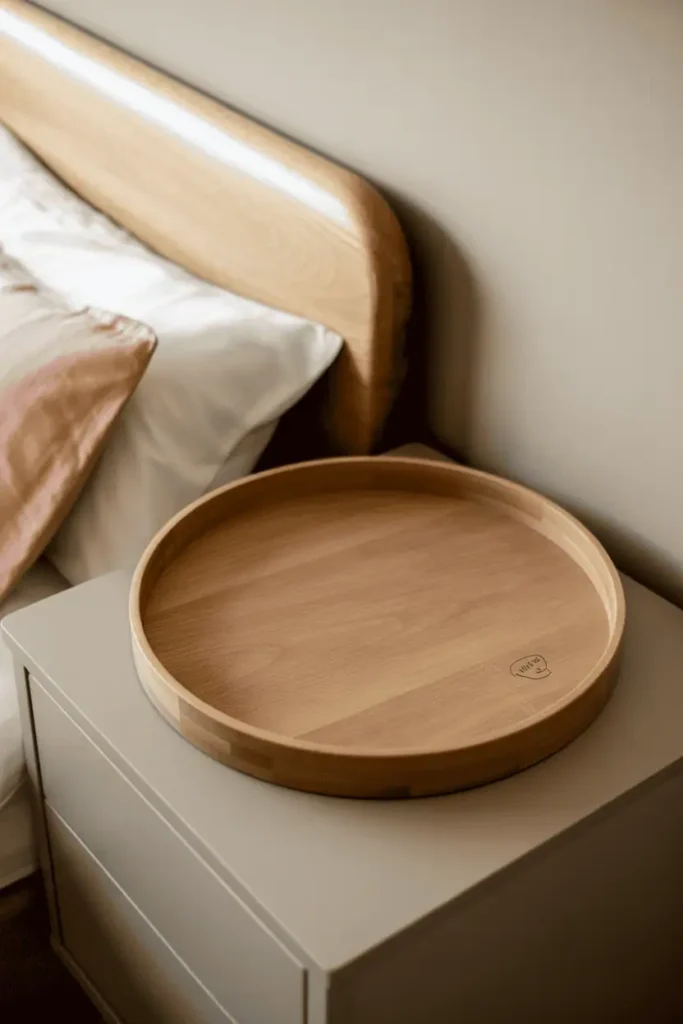
Round trays soften the look of angular furniture and sharp corners. They’re especially useful in bedrooms that already feel minimal or structured.
The curve breaks up straight lines without adding visual noise. This works well with lighter woods and subtle finishes.
Round trays tend to look best when they’re not overcrowded.
4. Low-Profile Trays That Stay Unnoticed
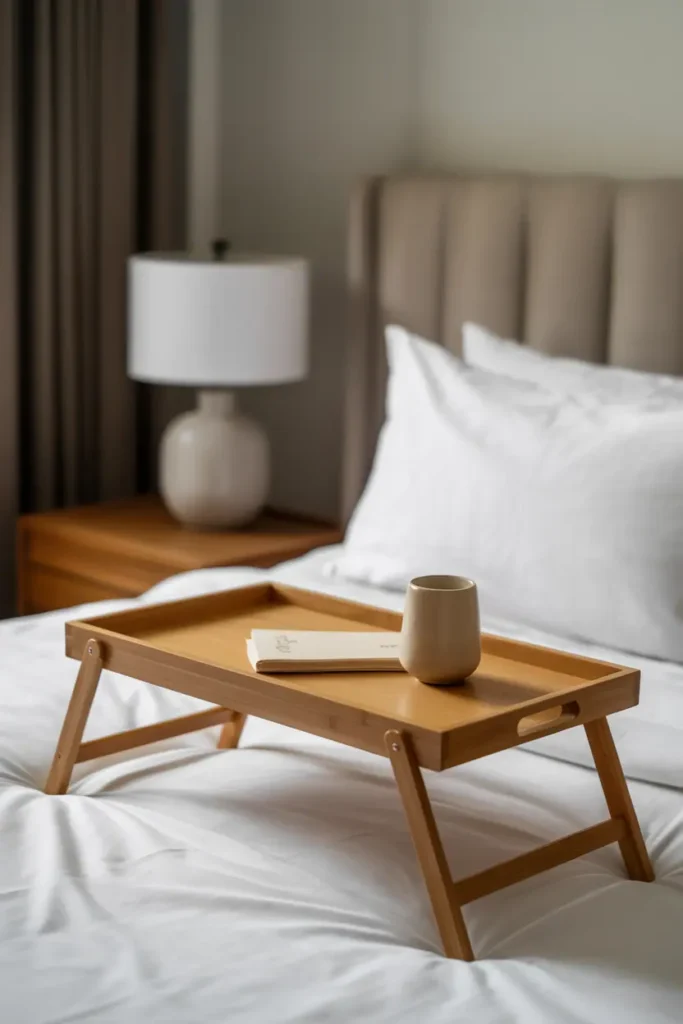
Low-profile trays sit quietly on the surface instead of calling attention to themselves. They organize without dominating the nightstand.
This works well in small bedrooms where every visual element matters. Thick, heavy trays can feel bulky in tight spaces.
Subtle edges are usually enough to keep items in place.
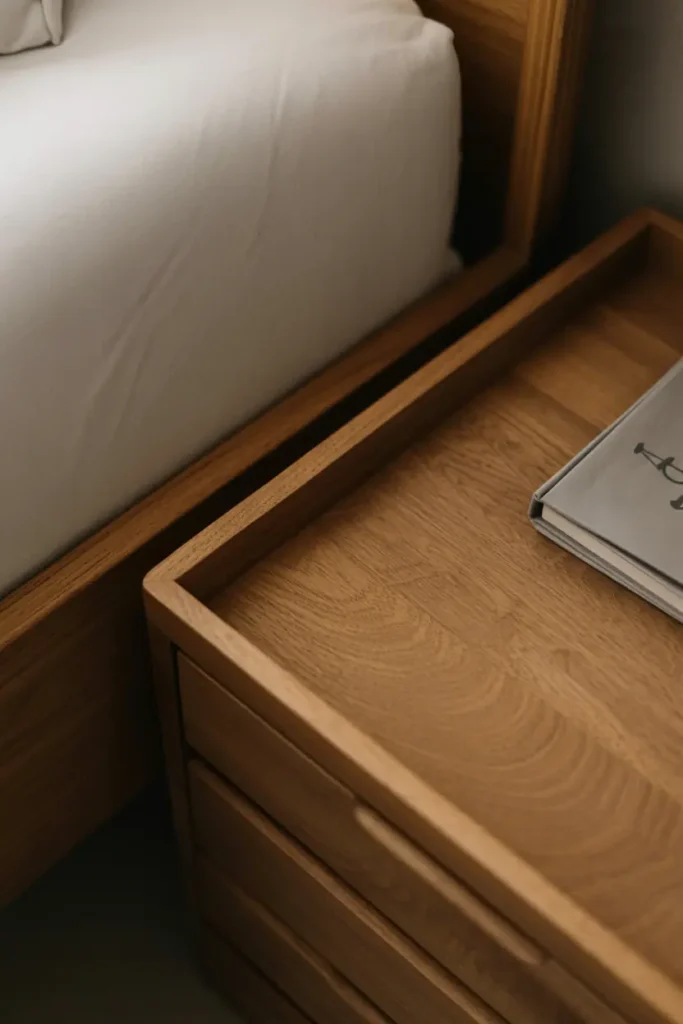
At this point, the bedside area should already feel calmer — not emptier, just more deliberate.
5. Using Trays to Limit Bedside Clutter
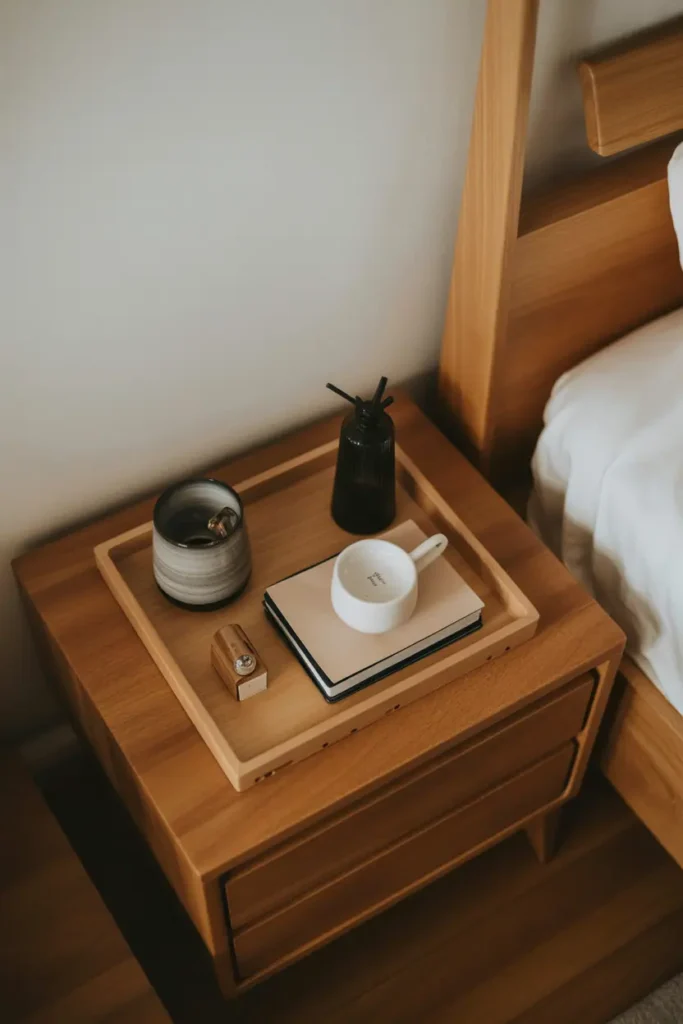
A tray naturally limits how much you place beside the bed. Once it’s full, that’s the signal to stop.
This is especially helpful for people who tend to accumulate small items. The tray becomes a visual boundary rather than a rule.
Wood makes this boundary feel gentle, not restrictive.
6. Wooden Trays That Pair with Matching Furniture

When the wood tone of the tray relates to the nightstand or bed frame, the bedside area feels more cohesive.
This doesn’t mean everything has to match exactly. Similar warmth or grain is usually enough.
Avoid mixing too many wood tones in such a small area.
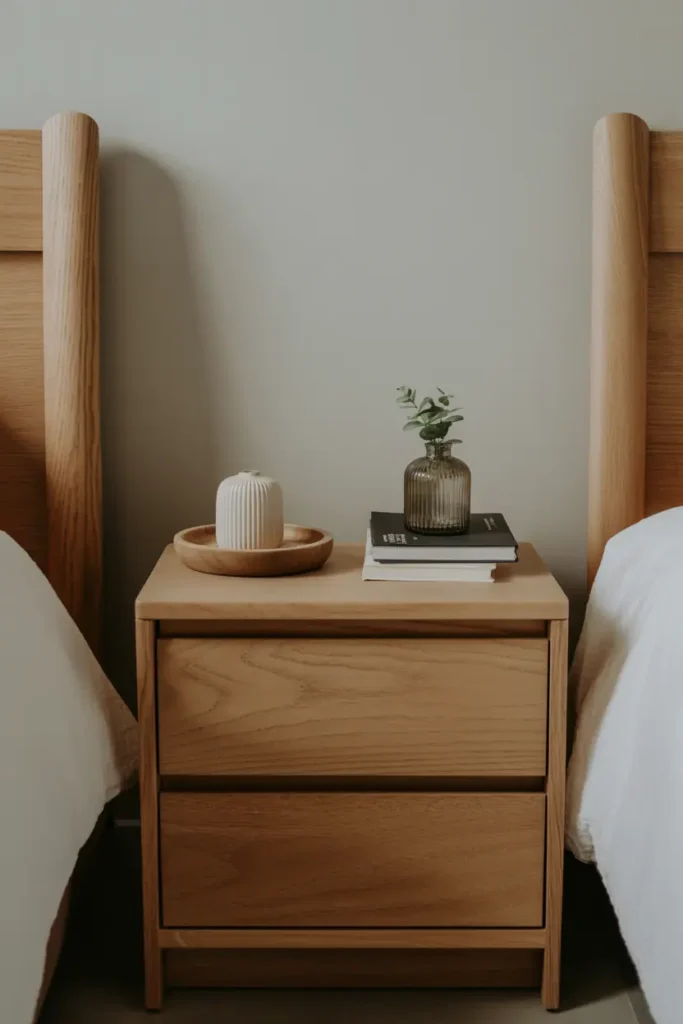
On shared nightstands, trays help create personal zones. Each person’s items stay contained and visually separate.
This works especially well with two smaller trays rather than one large one. It keeps the surface balanced.
Simple trays prevent the setup from feeling fussy.
8. Using Trays with Lamps and Charging Items
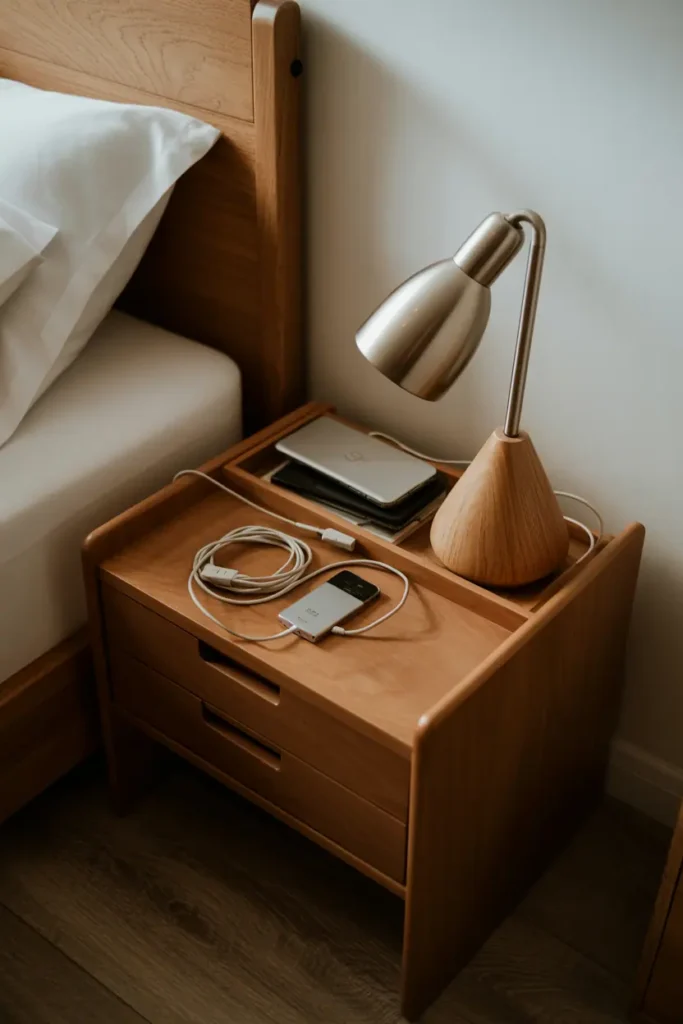
Wooden trays work well beneath small lamps or charging stations, helping cords and devices feel less scattered.
This tends to fail when trays are too shallow for plugs or cables. Depth matters here.
Keep cords minimal and let the tray hide the mess as much as possible.
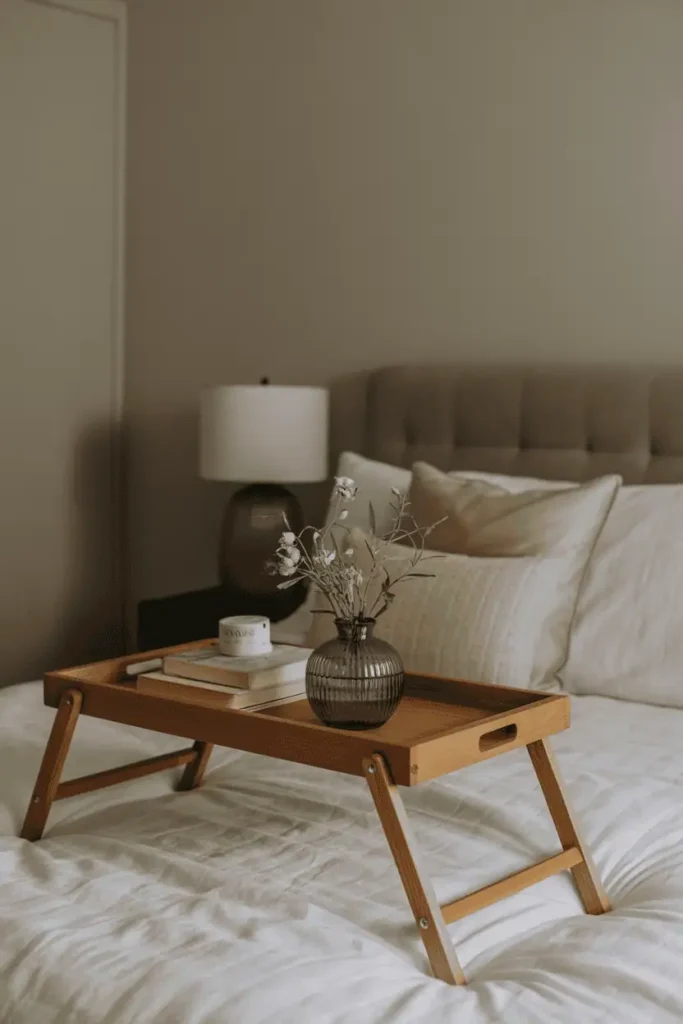
The goal isn’t perfection. It’s making the bedside easier to live with.
9. Trays That Work Without Styling
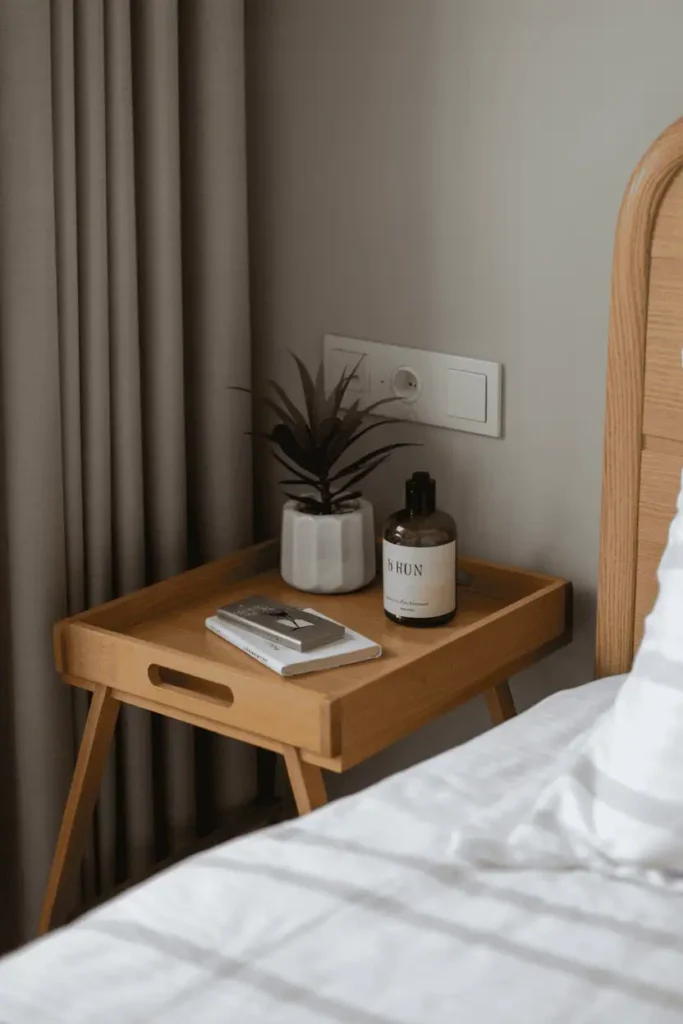
A good bedside tray shouldn’t need styling to look right. It should work with just the essentials.
If a tray looks empty without decor, it may be too decorative itself. Practical trays blend in naturally.
Wood with visible grain usually feels more forgiving.

10. Matte Wood Finishes for Bedrooms
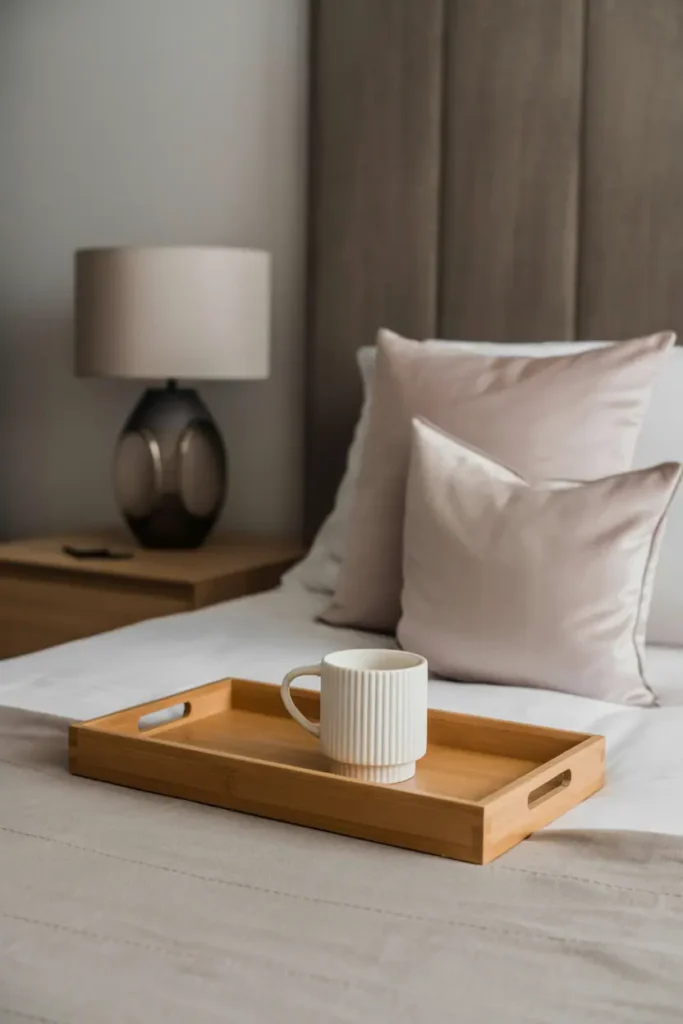
Matte or lightly sealed finishes feel softer in bedrooms than glossy ones. They absorb light rather than reflect it.
This helps the bedside area feel restful, especially in the evening.
Glossy finishes tend to draw attention when you want calm.
11. Letting Trays Age Naturally
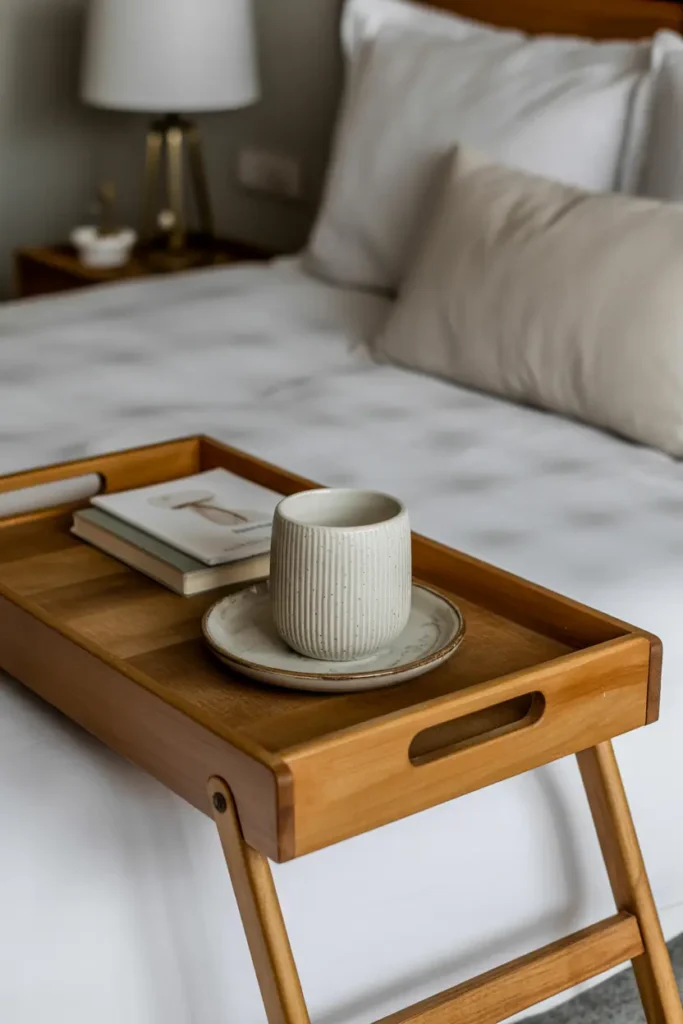
Small marks and wear add character to wooden trays over time. In bedrooms, this lived-in feel is a positive.
Avoid finishes that promise to stay perfect. Bedrooms benefit from softness, not polish.
Wood that ages quietly feels more personal.
12. Trays as Visual Anchors on Large Nightstands
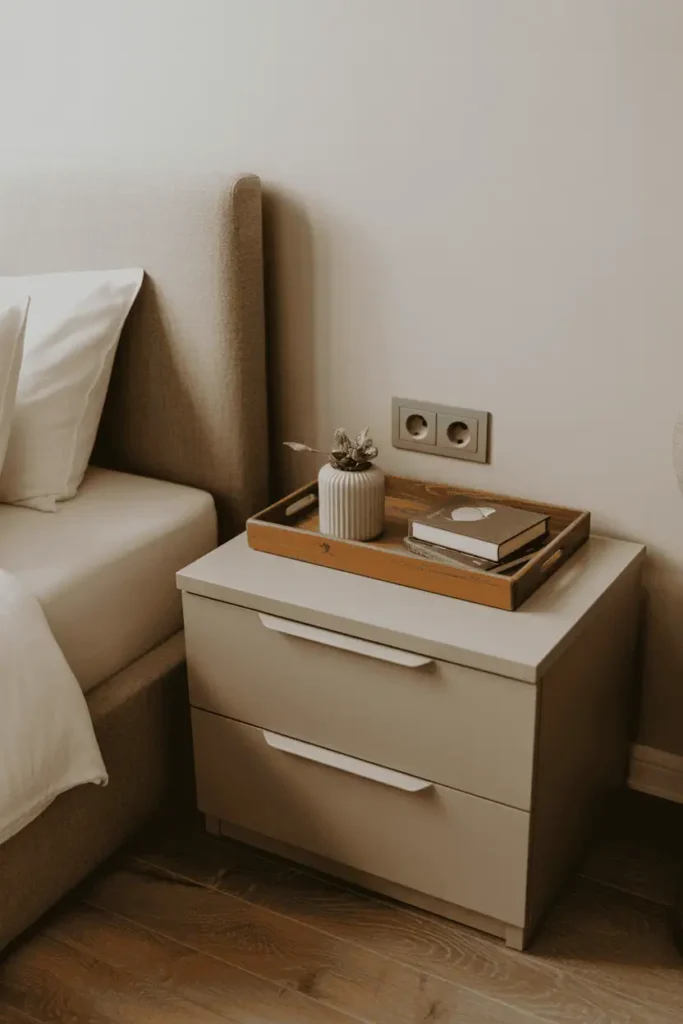
On large nightstands, trays prevent the surface from feeling empty or undefined.
They anchor the arrangement and make the furniture feel purposeful.
This works best when the tray sits slightly off-center rather than perfectly aligned.
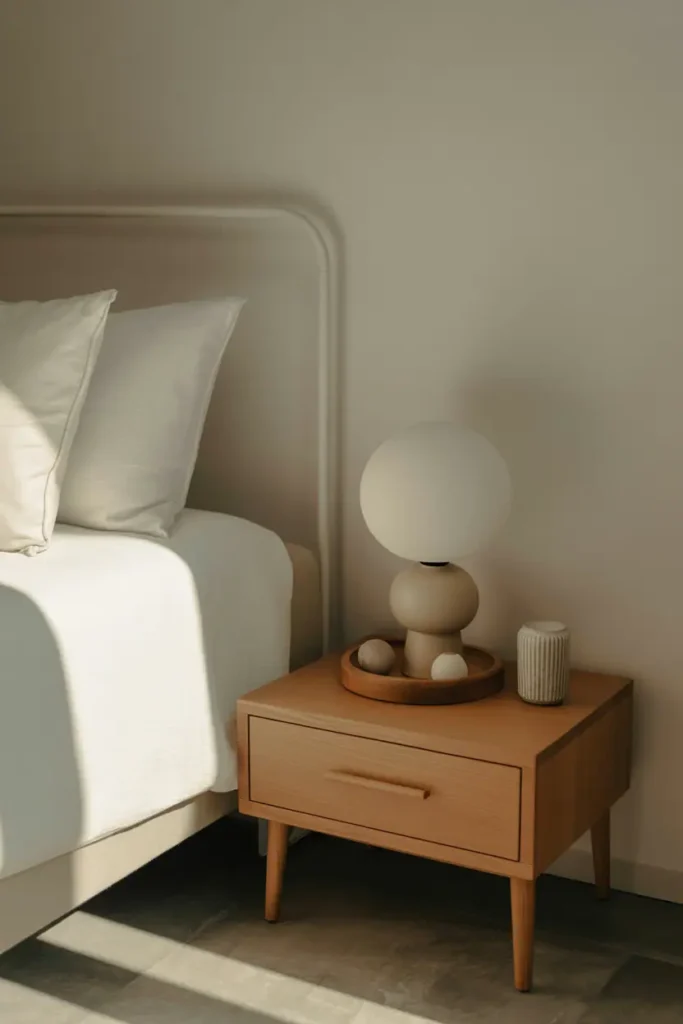
Good bedside trays don’t decorate the room. They organize it quietly.
13. Keeping Bedside Trays Lightweight
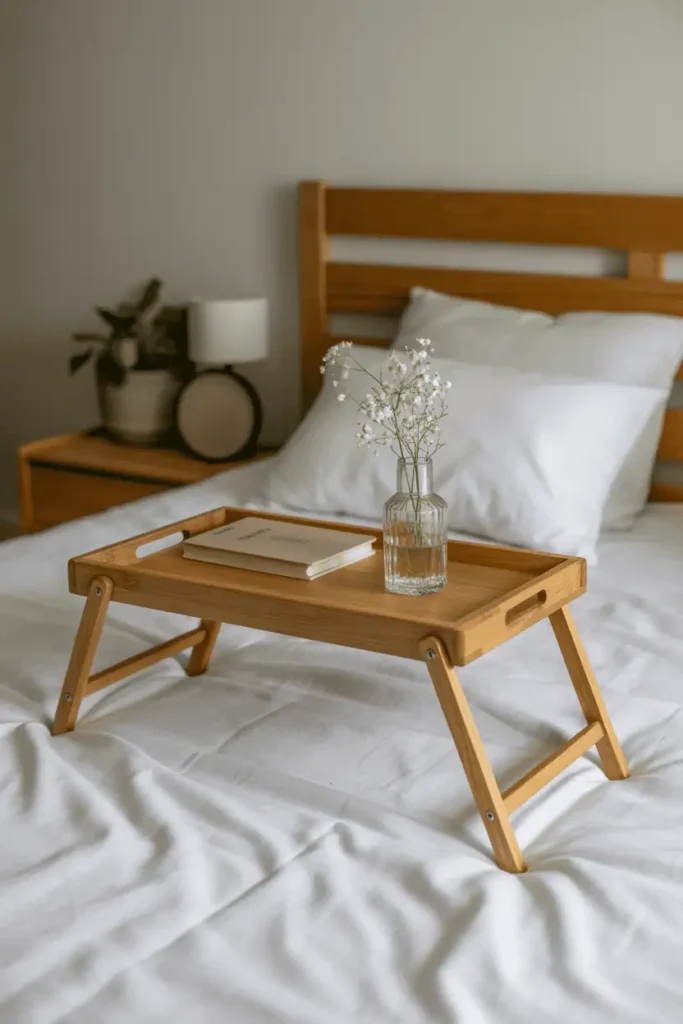
Bedside trays should be easy to move. Lightweight wood or thin profiles make daily cleaning simple.
Heavy trays can become annoying over time, even if they look good initially.
Ease of use always matters more than appearance alone.
14. Avoiding Overfilled Trays
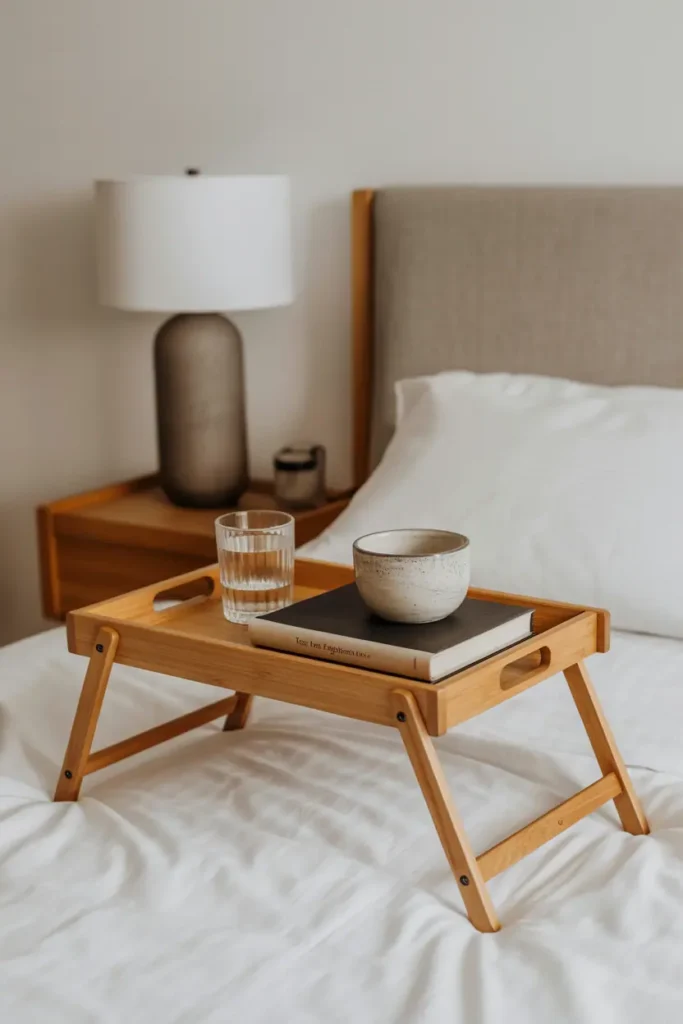
When trays become crowded, they lose their purpose. Too many items create visual noise again.
Keep only what you use daily. Everything else can live elsewhere.
This small habit often makes the biggest difference.
15. Choosing One Tray Over Many Accessories

A single wooden tray often replaces several small objects. It simplifies the surface and the visual story.
This approach works well in calm, minimalist bedrooms.
Restraint makes the tray feel intentional rather than decorative.
Styling Tips to Make Wooden Bedside Trays Feel Intentional
- Choose a tray sized to your nightstand
- Keep contents limited to nightly essentials
- Let wood grain provide visual interest
- Avoid mixing too many materials nearby
- Embrace light wear as part of the look
Conclusion
Wooden bedside trays work because they respect how people actually use their bedrooms. They don’t ask for perfection or styling — just a place for the things you reach for every night.
You don’t need multiple trays or elaborate setups. One well-chosen wooden tray is usually enough to change how the bedside feels.
Save the ideas that resonate. Try one quietly and let it become part of your routine. When something makes daily life feel calmer without effort, it’s usually worth keeping.

To bring you cozy inspiration more efficiently, we sometimes use AI to assist in content creation — but every word and idea is carefully shaped by our team. See our AI Disclosure for more info.